

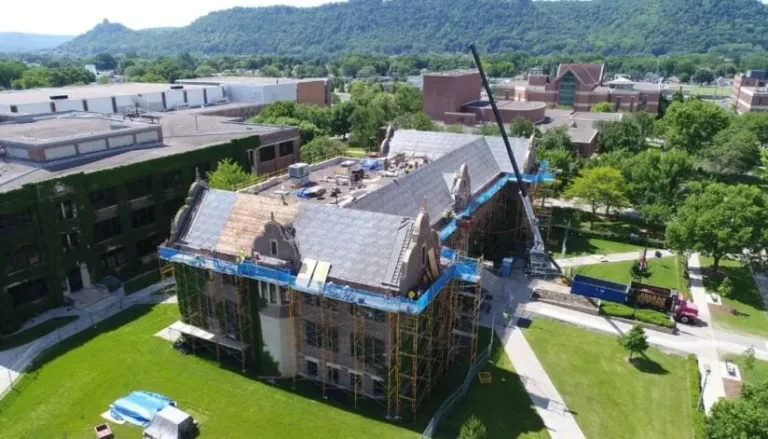
Large roofing projects involve much more than removing old materials and installing a new roof. Contractors must coordinate workers, materials, equipment, safety procedures, inspections, weather conditions, and client expectations at the same time. If one part of the process falls behind, the entire project can quickly lose momentum.
For this reason, professional roofing companies rely on detailed planning from the beginning.
They divide the work into stages, schedule crews carefully, confirm material availability, monitor weather forecasts, and maintain regular communication with property owners and suppliers. This organized approach helps reduce downtime while maintaining installation quality.
A professional roofing company in Johns Creek, for example, may evaluate roof conditions, structural requirements, access points, material needs, and project risks before work begins. Preparing this information early allows contractors to create a realistic timeline instead of reacting to problems after construction starts.
Start With a Detailed Project Assessment
Successful roofing projects begin with accurate information.
Before scheduling workers or ordering materials, contractors need to understand the condition of the existing roof and the requirements of the new installation.
The initial assessment may include:
- Roof measurements
- Existing material condition
- Structural concerns
- Drainage systems
- Ventilation requirements
- Access limitations
- Safety risks
- Equipment placement
- Waste removal needs
Commercial buildings and large residential properties may require additional inspections because their roofing systems often include multiple drainage points, mechanical equipment, skylights, vents, and structural sections.
By identifying these details early, project managers can prevent unexpected problems from disrupting later stages.
For instance, discovering damaged roof decking before installation starts allows the contractor to include repair time and materials in the schedule.
Build a Realistic Roofing Timeline
A large roofing project should follow a clearly defined sequence.
Contractors generally divide the job into phases such as preparation, tear-off, structural repair, waterproofing, material installation, flashing work, cleanup, and final inspection.
Each stage depends on the previous one.
Therefore, project managers must avoid scheduling activities in ways that create conflicts.
For example, installing new roofing materials before damaged decking has been fully repaired would create unnecessary delays and potentially compromise quality.
Professional contractors also build extra flexibility into the timeline.
Weather, supplier issues, inspection delays, or hidden structural problems can affect progress. A realistic schedule accounts for these possibilities rather than assuming every stage will proceed perfectly.
That flexibility allows the team to adjust without losing control of the entire project.
Coordinate Material Deliveries Carefully
Material delays can bring even a well-organized roofing project to a complete stop.
Contractors need shingles, membranes, fasteners, flashing, insulation, underlayment, sealants, drainage components, and other materials at specific stages.
However, delivering everything at once can create storage problems.
Therefore, roofing companies often schedule deliveries in phases.
The goal is to have the correct materials available shortly before workers need them.
This approach prevents shortages while reducing unnecessary clutter on the job site.
Material coordination becomes especially important with specialized systems.
For projects involving metal roofing in Johns Creek, contractors may need custom panels, specialized fasteners, trim components, and specific installation equipment.
Some materials may require longer manufacturing or delivery times.
Ordering them early prevents the crew from waiting for essential components midway through installation.
Manage Inventory on the Job Site
Receiving materials does not automatically guarantee efficiency.
Contractors must also track inventory.
If workers cannot quickly find the materials they need, productivity slows down.
Project managers therefore organize materials according to installation stages and monitor quantities throughout the job.
They may compare actual usage with estimates to identify potential shortages early.
Proper storage also matters.
Roofing materials can suffer damage when exposed to moisture, heavy traffic, or improper stacking.
For example, insulation and underlayment should remain protected from water before installation.
Careful inventory management keeps materials in usable condition while helping teams maintain a steady workflow.
Assign the Right Workers to Each Task
Large roofing projects often require workers with different skill sets.
Not every crew member performs the same job.
Some workers specialize in removing existing roofing materials, while others focus on installation, flashing, waterproofing, sheet metal, safety, inspection, or equipment operation.
Project managers assign workers according to their experience and the needs of each stage.
This specialization improves efficiency.
Instead of asking one team to handle unfamiliar tasks, contractors position trained workers where they can perform most effectively.
Crew size also changes throughout the project.
The tear-off stage may require more workers, while detailed flashing or finishing work may need a smaller specialized team.
Adjusting labor resources allows roofing companies to control productivity without overcrowding the site.
Maintain Clear Communication Between Teams
Poor communication can cause significant delays.
If one crew does not know that another team has changed the schedule, workers may arrive before an area is ready.
Similarly, suppliers may deliver materials at the wrong time if project managers fail to communicate updated requirements.
Successful roofing companies establish clear communication channels from the beginning.
Project managers may conduct morning meetings, provide daily progress updates, and use project management software to coordinate tasks.
These systems allow everyone to understand:
- Current progress
- Today’s work priorities
- Material needs
- Safety concerns
- Weather updates
- Upcoming inspections
- Schedule changes
Clear communication also reduces duplication.
Workers know which tasks have already been completed and which areas still require attention.
Monitor Weather Conditions
Weather remains one of the most unpredictable challenges in roofing.
Rain, high winds, extreme heat, snow, and storms can all interrupt work.
Contractors cannot control the weather, but they can prepare for it.
Professional roofing companies monitor forecasts before and during the project.
If heavy rain appears likely, crews may focus on smaller sections that can be safely completed and sealed before the weather changes.
Temporary coverings may also protect exposed areas.
During hot conditions, project managers may adjust work hours to reduce heat exposure and protect worker safety.
By planning around weather conditions, contractors reduce the chance that unfinished roof sections remain vulnerable.
Develop Contingency Plans
Every large construction project carries some uncertainty.
Roofers may discover damaged decking after removing old materials. A supplier may suddenly experience a shortage. Equipment could fail, or an inspection may require additional work.
Experienced contractors prepare alternative plans before these events occur.
For example, they may maintain relationships with multiple suppliers instead of depending on one source.
They may also keep backup equipment available for critical tasks.
Contingency planning does not eliminate problems, but it reduces the time required to respond.
Instead of stopping work while managers search for solutions, teams can quickly move to an alternative plan.
Coordinate With Other Contractors
Large commercial or residential projects sometimes involve multiple trades.
Roofers may need to coordinate with electricians, HVAC technicians, plumbers, structural contractors, solar installers, or general contractors.
Mechanical equipment located on the roof may require temporary removal or repositioning.
Similarly, plumbing vents and electrical penetrations need proper flashing during roofing installation.
Poor coordination between trades can create repeated work.
For example, installing roofing around equipment that another contractor plans to move later may require portions of the roof to be reopened.
Therefore, project managers establish the correct sequence before work begins.
Roofing contractors serving markets such as roofing in Englewood, Colorado must also account for local climate and project conditions when organizing work and coordinating installations.
Prioritize Safety Without Slowing the Project
Safety procedures help prevent injuries, property damage, and project shutdowns.
Roofing work involves heights, heavy materials, power tools, ladders, lifting equipment, and changing weather conditions.
Professional contractors create safety plans before workers begin.
These plans may cover fall protection, equipment use, access routes, material storage, emergency procedures, and restricted areas.
Safety supervisors or project managers may also conduct regular checks.
Although safety procedures take time, they actually support productivity.
An accident can stop a project for hours or days.
Therefore, consistent safety practices help keep work moving while protecting workers and property occupants.
Conduct Quality Checks During Installation
Waiting until the end of the project to inspect the roof can create unnecessary delays.
If contractors discover mistakes only during the final inspection, crews may need to remove completed materials and redo sections.
Instead, professional roofing companies inspect work throughout the project.
Supervisors may check:
- Deck preparation
- Underlayment
- Fastener placement
- Flashing
- Seams
- Drainage details
- Roof penetrations
- Edge systems
- Ventilation components
These inspections allow teams to correct problems immediately.
Quality control also ensures that installation follows manufacturer requirements and project specifications.
By catching problems early, contractors avoid costly rework later.
Keep Clients Updated
Property owners should not have to guess what is happening during a large roofing project.
Regular updates build trust and reduce confusion.
Project managers typically communicate important information such as completed work, upcoming stages, weather delays, unexpected repairs, and changes to the schedule.
This communication becomes especially important when hidden damage increases the project scope.
For example, if crews discover deteriorated decking, the contractor should explain the issue before moving forward with additional repairs.
Clear documentation allows clients to understand why changes are necessary and how those changes affect the timeline.
Plan Cleanup and Waste Removal
Roofing work creates significant debris.
Old shingles, nails, packaging, damaged decking, metal scraps, and other materials can accumulate quickly.
If contractors wait until the project ends to remove everything, debris can interfere with workers and create safety hazards.
Professional teams therefore manage waste throughout the job.
Dumpsters or waste containers are placed in accessible areas, and crews remove debris regularly.
Magnetic tools may also help collect loose metal fasteners around the property.
A clean site allows workers to move more efficiently and reduces risks for occupants.
Use Technology to Improve Project Management
Modern roofing companies increasingly use digital tools to coordinate large jobs.
Project management platforms can help teams track tasks, schedules, photographs, material orders, inspections, and client communications.
Drones may support roof inspections and progress documentation.
Meanwhile, mobile applications allow supervisors to upload job-site information immediately rather than waiting until the end of the day.
Digital records also improve accountability.
If a question arises later, project managers can review photographs, reports, or previous updates.
Technology does not replace experienced management, but it can make coordination much more efficient.
Conduct a Final Inspection Before Completion
The project should not end when workers install the last roofing material.
A detailed final inspection ensures that the system meets specifications.
Contractors review flashing, drainage, fasteners, roof edges, penetrations, seams, ventilation, and general workmanship.
They also confirm that debris has been removed and that surrounding property areas remain clean.
If inspectors identify small issues, crews can correct them before closing the project.
This final quality check protects the client and helps ensure reliable long-term roof performance.
Conclusion
Coordinating a large roofing project requires careful planning at every stage.
Professional contractors manage timelines, workers, suppliers, materials, safety requirements, inspections, weather conditions, and communication simultaneously.
Strong coordination begins before construction starts.
Contractors evaluate the property, create realistic schedules, order materials early, assign specialized workers, and identify potential risks.
Once work begins, regular communication and ongoing inspections keep every team aligned.
Most importantly, experienced roofing companies do not wait for problems to become delays.
They monitor progress continuously and adjust resources before small issues disrupt the entire schedule.
By combining planning, communication, quality control, safety management, and reliable supplier relationships, roofing companies can complete complex projects efficiently without sacrificing workmanship or long-term durability.
Also Read
- /140-library-pickup-lines-that-are-smooth-funny-and-perfect-for-book-lovers-for-2026/
- 138-asian-pick-up-lines-that-are-funny-flirty-and-smooth-enough-to-actually-work-for-2026/
- /161-oxygen-pickup-lines-that-will-take-their-breath-away-for-2026/

