

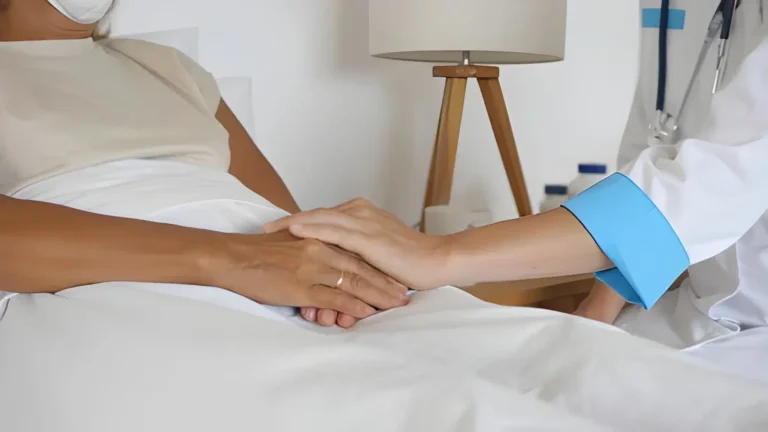
When someone is living with a life-limiting illness, home can become more than a place to sleep. It’s where familiar routines happen, family members come and go, favourite chairs are within reach, and everyday life can continue with fewer disruptions.
Palliative care doesn’t always mean moving into a hospital or hospice. With suitable support, care may be provided at home and adjusted as a person’s condition and preferences change. Understanding what that actually looks like can make the decision feel less uncertain.
Palliative Care Isn’t Only About the Final Days
One of the biggest misconceptions about palliative care is that it begins only when someone is approaching the final days of life.
Palliative care can start earlier. Its main purpose is to improve comfort and quality of life for someone living with a serious or life-limiting condition. Depending on the person’s situation, it may also be provided alongside other medical treatment.
At home, that means the focus isn’t simply on an illness. Care can take into account pain, mobility, personal care, emotional well-being, medication needs, family circumstances, and what the person wants their daily routine to look like.
For some families, this can mean spending more meaningful time together without every day revolving around travelling to appointments or staying in a clinical environment.
What Happens During a Typical Home Visit?
There’s no single routine that applies to everyone. A person who needs occasional support will have a very different schedule from someone whose health needs have become more complex.
A visit might begin with a conversation about how the person has been feeling since the previous visit. A nurse or support worker may check for changes in symptoms, discuss pain or discomfort, review medication-related needs, or help with personal activities.
Depending on the care plan, support might also include bathing, grooming, dressing, positioning, mobility assistance, eating, or other everyday tasks.
The small details matter.
Maybe getting from the bedroom to the living room has become difficult. Perhaps showering now takes much more energy than it used to. A family member may be comfortable helping with meals but less confident dealing with medications or changing symptoms.
A good care plan accounts for these practical realities rather than assuming every household needs the same thing.
Comfort and Symptom Management Are Central
Managing discomfort is a major part of palliative care.
Pain may be one concern, but it isn’t the only one. People with serious illnesses can experience nausea, breathlessness, fatigue, loss of appetite, sleep difficulties, anxiety, and other symptoms that affect everyday life.
Home care teams can work alongside doctors and other health professionals to monitor these changes and help follow the person’s clinical care plan.
This coordination becomes particularly important because needs can change quickly. Something manageable last week might require more attention this week.
Families considering in-home palliative care services may therefore want to ask how clinical nursing, personal care, symptom monitoring, and communication with the person’s existing medical team are coordinated.
That question can tell you a lot about how care will work once everyone is back at home.
Home Care Also Changes the Family’s Role
Family members often provide a huge amount of practical and emotional support, but they shouldn’t automatically be expected to become full-time nurses.
There’s a difference between wanting to help someone you love and feeling prepared to manage complex care needs.
Professional home support can make responsibilities clearer. A family member might continue preparing favourite meals, providing companionship, or helping with familiar routines, while trained professionals handle tasks requiring clinical knowledge.
Respite can matter too.
Caring for someone with a serious illness can involve disrupted sleep, constant vigilance, physical work, and difficult emotions. Having another person available for care can give a family carer time to rest, attend appointments, run errands, or simply spend an hour away from caregiving responsibilities.
That break isn’t a sign that someone cares less. Sustainable care needs rest.
Familiar Surroundings Can Make Daily Life Easier
Hospitals provide essential medical care, but they’re still unfamiliar environments for many people. At home, a person knows where everything is. Their photographs are on the wall. Their pet might be nearby. Family members aren’t necessarily limited by visiting routines.
Those ordinary things can become surprisingly important.
Home also allows routines to be built around the individual rather than around the timetable of a larger facility. Someone may prefer breakfast later in the morning, enjoy sitting outside in the afternoon, or want grandchildren to visit at particular times.
Of course, staying home isn’t suitable in every circumstance. Symptoms can become difficult to manage, care requirements may exceed what’s safely available at home, or family carers may reach a point where they can’t provide the support that’s needed.
Choosing home care doesn’t mean someone must remain at home regardless of how circumstances change.
Care Plans Should Be Able to Change
Palliative care needs aren’t static.
A person may initially need only a few visits and some help with personal activities. Later, they might need more frequent nursing support, additional equipment, increased mobility assistance, or greater help managing symptoms.
This is why ongoing assessment matters.
Families should know who to contact when something changes and what happens if needs increase outside a scheduled visit. It’s also useful to understand which situations can be handled by the home care team and which require contacting a doctor, specialist service, or emergency department.
Having those conversations early can reduce uncertainty later.
Questions Worth Asking Before Care Begins
Before arranging home-based support, ask exactly what the service includes. Find out who will provide the care, how frequently visits can occur, and whether registered nurses oversee clinical needs.
Ask how medication and symptom concerns are handled. Find out what happens after hours and who should be contacted if the person’s condition changes unexpectedly.
It’s also sensible to discuss equipment. Depending on someone’s mobility and physical needs, caring for them safely at home may require items such as an appropriate bed, mobility aids, bathroom equipment, or other practical supports.
Finally, talk about the person’s own preferences.
Where do they want to spend most of their time? What routines matter to them? Who do they want involved in decisions? Are there cultural, spiritual, or personal wishes the care team should understand?
Those conversations can shape care just as much as a list of medical requirements.
Making Home Feel Like Home
The goal of palliative care at home isn’t to turn a bedroom into a hospital room. It’s to bring appropriate care into a place the person already knows.
Medical and practical support still matter, sometimes considerably. But so do familiar meals, conversations, family photographs, pets, music, privacy, and the freedom to structure parts of the day around personal preferences.
For families considering this option, the most useful question may not be whether every aspect of care can happen at home. It’s whether the right combination of professional support, family involvement, equipment, and medical oversight can make home a safe and comfortable place for the person now.
When those pieces fit together, home-based palliative care can help preserve something illness often disrupts: the ability to keep everyday life recognisably your own.
Also Read
- 141-forest-pickup-lines-that-are-wildly-flirty-cute-and-smoothly-romantic-2026/
- how-roofing-companies-coordinate-large-projects-without-delays/
- primelunoltd-com-review-the-security-of-your-personal-and-financial-information/


1 thought on “What In-Home Palliative Care Can Look Like Day to Day”