

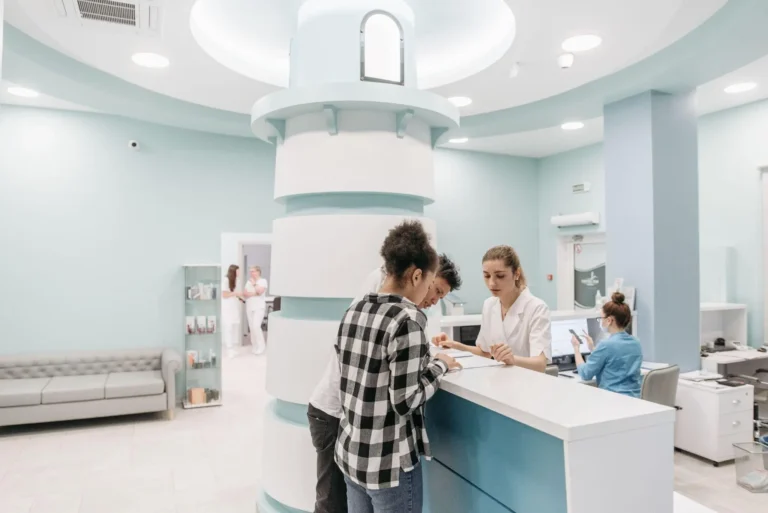
Walk into a well-run clinic, and you feel it before you can name it. The building is quietly doing a job. It’s shaping how a nervous patient sits in the waiting room, and it’s deciding whether a nurse finishes their shift steady or wrung out. Paint colour, desk placement, the path a corridor takes – none of that is filler. Here’s what evidence-based healthcare design really means once you get past the brochure language.
Colour and Light
Colour earns its place in a clinical room. Soft blues and greens settle people and take some heat out of anxiety. Push the other way – harsh, saturated shades – and you can wind up a patient who was already on edge before they walked in.
Light does more, though. Daylight is one of the most heavily researched pieces of the whole recovery picture, and the findings keep landing in the same spot: shorter stays, less pain medication, and staff who stay sharp deep into a long shift. Get a window in the right place, and you’ve done real work.
Noise
Sound gets ignored in far too many healthcare fitouts. Odd, when you think about it, because noise is near the top of the complaints list for patients and staff both. Fixing it isn’t complicated. Acoustic panels. Flooring that soaks up sound instead of bouncing it around. A layout that keeps a busy corridor from running straight past a patient room. Quiet rooms help people heal, and they let staff think without a low hum wearing on them all day.
Furniture, Temperature, Air
Seating is a two-sided problem. A patient who’s unwell or coming out of a procedure needs a chair that actually supports them and adjusts to different bodies. Staff have the opposite trouble – hours on their feet, or hunched over a desk built by someone who never had to sit there. Bad workstations don’t announce themselves. They just turn into sore backs and worn-out people a few years down the line.
Then temperature and air. A room that holds a steady, comfortable temperature keeps patients from fidgeting and complaining, and proper ventilation and filtration stop being a nice-to-have the moment infection control comes up. This is where complete medical centre fitouts prove their worth, because the systems all have to pull together instead of each doing its own thing.
Accessibility
Comfort and access aren’t two separate checklists. Wide doorways, non-slip floors, signage a stranger can follow, furniture that drops to the right height – that’s what makes a place usable for someone at ninety and someone at nine. Plan it in early. Bolting it on later costs more and usually works worse.
Reception and Waiting
The first minute in a medical centre tends to set the mood for the whole visit. A reception desk with clear sightlines cuts confusion before it has a chance to build. In the waiting area, you’re aiming for calm, not that cold, clinical bleakness – soft seating, gentle light, a glimpse of something green out the window.
Privacy sits right alongside it. When a patient can check in or mention something awkward without half the room listening, you’ve kept their dignity intact and earned a bit of trust.
Staff Spaces
Look after the staff, and patient outcomes tend to follow. Cluttered, badly arranged workstations slow people down and invite mistakes. Lay out nurse stations and consultation rooms around how clinicians actually work, and the day stops being a fight with the furniture.
Break rooms almost always slide to the bottom of the list. Don’t let them. A decent staff room gives a team somewhere to genuinely switch off between shifts, and that’s what holds burnout at bay over the long run.
Getting healthcare interior design right isn’t a luxury. It shows up in patient satisfaction, in staff who stay, in a place that just runs smoother. For Australian medical centres facing a new build or a refit, pick designers who know clinical work. Treat comfort and function as equals from day one, and the rest tends to sort itself out!
Also Read
- 141-forest-pickup-lines-that-are-wildly-flirty-cute-and-smoothly-romantic-2026/
- /how-roofing-companies-coordinate-large-projects-without-delays/
- primelunoltd-com-review-the-security-of-your-personal-and-financial-information/

