

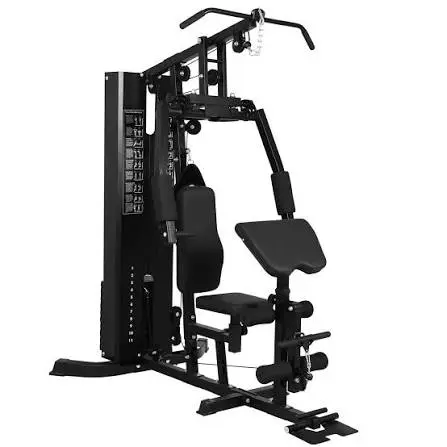
Building a home gym often starts with equipment that can do a bit of everything. A bench, adjustable dumbbells, or a cable setup can cover dozens of exercises without taking over the room. Eventually, though, you may find yourself wanting something more specialised.
That’s where single station machines become interesting.
Instead of trying to handle several exercises, these machines are generally built around a particular movement or muscle group. Think leg extensions, seated rows, chest presses, leg curls, shoulder presses, or similar strength exercises. For the right home gym, that focused design can be a real advantage.
The question is whether a dedicated machine deserves the floor space it takes up.
What Makes a Single Station Different?
A typical home gym setup prioritises versatility. Equipment has to earn its place because most people don’t have an entire commercial-sized room available.
Single station equipment takes a different approach. The machine gives you a dedicated place to perform a specific exercise or closely related set of movements.
That might sound limiting, but specialisation has benefits.
You don’t have to rearrange a bench, move attachments around, load a complicated setup, or spend several minutes preparing for the next exercise. You sit or position yourself correctly, adjust the resistance, and train.
The movement path is also usually guided by the machine.
For people who prefer structured strength training, that simplicity can make workouts easier to repeat consistently.
Start With the Exercises You Actually Do
It’s easy to design your home gym around the workouts you imagine doing rather than the workouts you really perform.
Before buying another machine, look at your recent training.
Which exercises appear every week?
Suppose you train your back twice a week and always include a rowing movement. A dedicated row machine might get plenty of use. If you perform leg extensions once every few weeks, dedicating a large section of your gym to a leg extension machine probably makes less sense.
This is a useful way to evaluate single station machines for home gyms because the value of specialised equipment depends heavily on how often you’ll actually use the movement it provides.
Frequency matters more than novelty.
A machine you use three times every week can justify its footprint far more easily than an impressive machine that becomes somewhere to hang towels.
Measure More Than the Machine’s Footprint
Finding the dimensions online is only the first part of space planning.
A machine may technically fit into a corner while still being frustrating to use. You need enough room to get into position, adjust the seat, load plates if required, and move through the exercise comfortably.
Some machines also have arms, handles, footplates, or other components that extend beyond the basic frame during use.
Try marking the proposed area on your floor with painter’s tape. Then walk around it.
Can you comfortably access the machine?
Will it block a doorway?
Can another person move through the room while you’re training?
If you’re using plate-loaded equipment, check whether there’s enough clearance to add and remove weight plates without bumping into a wall.
A few minutes with a tape measure can prevent a very expensive game of gym-equipment Tetris.
Think About Your Existing Equipment
A single station machine doesn’t need to perform every exercise in your program. In fact, it probably shouldn’t.
Its job is to fill a specific gap.
Imagine your home gym already has dumbbells, a bench, and a rack. You can perform squats, presses, rows, curls, and plenty of other exercises. Buying another piece of equipment that mostly duplicates those movements may not change your training much.
A machine that adds something awkward to reproduce with your existing setup can be more useful.
Lower-body isolation exercises are a common example. Certain movements can require creative setups with free weights or cable attachments. A dedicated machine can turn that exercise into something you can start within seconds.
Look at the gym as one system rather than evaluating every machine separately.
Selectorised or Plate Loaded?
Resistance systems can also affect how a machine fits into your routine.
Selectorised Machines
Selectorised equipment generally uses a weight stack. Changing resistance is usually as simple as moving a pin.
That’s convenient when you’re performing multiple sets, using drop sets, or sharing the machine with someone who trains at a different resistance.
The trade-off is that the weight stack and supporting structure can make the equipment heavier and more complicated to move.
Plate-Loaded Machines
Plate-loaded equipment uses weight plates for resistance.
If your home gym already has plenty of plates, this can make sense because you’re using equipment you already own. Plate-loaded designs may also appeal to people who want straightforward mechanical systems without a built-in weight stack.
Remember to include the plates when planning your space. You’ll need somewhere to store them and enough room around the machine to load them comfortably.
Adjustability Matters When Several People Train
A machine that feels perfect for one person might feel awkward for someone significantly shorter or taller.
If several people will use your home gym, adjustment options deserve extra attention.
Look at seat positions, back pads, starting positions, handles, and any other adjustable components. Adjustments should be easy enough that changing the setup doesn’t become an annoyance.
This also matters when buying equipment you haven’t personally tried.
Check the manufacturer’s specifications carefully rather than assuming every machine will accommodate every body size equally well.
Don’t Forget the Practical Details
Large strength machines aren’t like ordering a yoga mat.
Before buying, think about how the equipment will actually reach its final location. Measure doorways, hallways, staircases, and tight corners between the entrance and your gym.
You should also check whether the machine arrives assembled or needs to be built on site.
Flooring deserves consideration too. Heavy equipment can put substantial pressure on a relatively small area. Suitable gym flooring can help protect the surface underneath and provide a stable base.
Then there’s maintenance.
Bolts can loosen, cables can wear, upholstery can eventually become damaged, and moving components may need inspection. Understanding the machine’s maintenance requirements before buying is much easier than discovering them after something starts squeaking.
Build the Gym Gradually
You don’t need to fill every empty section of your home gym immediately.
Start with the equipment that covers most of your training, then pay attention to what feels missing. After several months, those gaps usually become obvious.
Maybe you constantly wish you had an easier way to train hamstrings. Perhaps setting up cable rows is becoming annoying. Maybe a dedicated chest press would let you train hard without needing someone nearby.
Those repeated inconveniences are useful clues.
A good home gym doesn’t need to resemble a commercial facility. It needs to make your own training easier to perform consistently.
Give Every Machine a Job
Single station equipment makes the most sense when you can clearly explain why a particular machine belongs in your room.
It should solve a recurring training problem, provide a movement you regularly perform, or make an important exercise noticeably easier to set up.
Measure carefully, consider what you already own, and prioritise the exercises that consistently appear in your program. When every piece of equipment has a clear purpose, even a relatively small home gym can become a highly practical place to train.
Also Read


3 thoughts on “Single Station Machines: When They Make Sense in a Home Gym”