

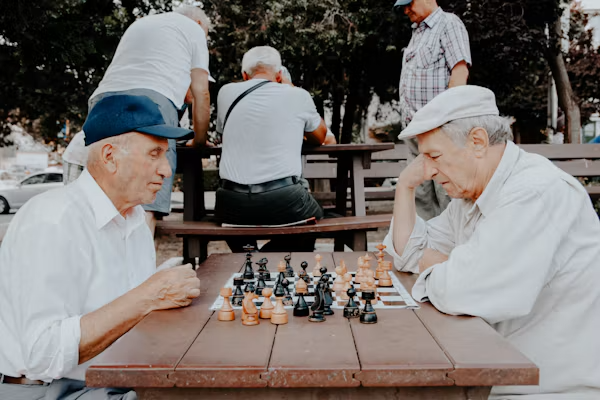
When people imagine retirement, they often picture endless free time and finally getting to all those hobbies they never had time for during their careers. Yet the reality is more complicated. Many retirees discover that starting a new hobby in their sixties or seventies is harder than they expected, and some abandoned activities within weeks of retiring. The hobbies that truly last tend to share certain characteristics: they connect to past interests, offer genuine engagement, and fit naturally into a retiree’s lifestyle and physical abilities. Understanding what makes some hobbies stick while others fade away can help you choose pursuits that will genuinely enrich your retirement years.
1. Pursuits Connected to Lifelong Interests
Hobbies with staying power almost always build on something you already enjoyed before retirement. Someone who read novels throughout their career might naturally gravitate toward joining a book club or writing a personal memoir. This continuity matters because you already possess foundational knowledge, skills, or enthusiasm that makes the activity feel familiar and rewarding. The transition from occasional interest to serious hobby becomes a natural progression rather than a forced new beginning.
These connected hobbies also tend to offer a sense of accomplishment more quickly than completely new pursuits. If you spent years gardening as a weekend activity, expanding to vegetable gardening or landscaping in retirement builds directly on what you already understand. You skip the frustration of the earliest learning curve and move straight into deeper exploration. This early sense of progress motivates continued engagement. Hobbies rooted in lifelong interests often connect you with communities of others who share your passion, creating social bonds that reinforce the habit and make the activity feel less isolated.
2. Activities With Clear, Achievable Goals
Hobbies that include measurable progress or tangible outcomes survive retirement better than open-ended pursuits. Photography provides a good example: instead of just taking pictures, a retiree might set specific goals like building a portfolio of landscape photographs or documenting a particular neighborhood through the seasons. These concrete targets give structure to the activity and provide regular moments of achievement. Without such goals, many people find that hobbies feel aimless and eventually lose their appeal after the initial novelty wears off.
The importance of goals extends to creative pursuits like writing, painting, or woodworking. A writer who commits to completing one essay per month has a framework that keeps them engaged, and a woodworker who plans to build a set of kitchen chairs has a project that sustains motivation across weeks or months. Goals do not need to be ambitious or competitive; even modest targets such as reading two books per month or practicing an instrument three times weekly provide the structure that transforms casual interest into lasting habit. Retirees who report sticking with their hobbies almost always mention some form of personal challenge or measurable milestone that keeps them coming back.
3. Social and Community Components
The hobbies that persist through retirement almost universally include some social element, whether intentional or incidental. A person who takes up golf primarily for recreation might discover that weekly games with the same group of friends becomes the main reason they play. Book clubs, art classes, volunteer opportunities, and team sports all work because they combine the activity itself with human connection. Isolation is one of the strongest predictors of hobby abandonment: when someone practices a hobby alone with no audience, feedback, or shared experience, it becomes easier to let other priorities crowd it out.
Communities built around hobbies also provide accountability and encouragement, and volunteer work offers perhaps the strongest social component of all, combining purposeful activity with meaningful connection to others. For retirees seeking a vibrant, activity-rich environment where hobbies can take root, SummerHouse Beau Ridge offers residents organized social programming that supports hobbies through regular group participation and community connection. Research in gerontology consistently shows that retirees with active social lives report higher satisfaction and better health outcomes than isolated peers. Choosing hobbies that involve other people provides not only the activity itself but also the psychological and social benefits that come from regular human interaction and shared purpose.
4. Practices That Accommodate Changing Physical Abilities
Hobbies that successfully persist into later retirement are those that can adapt as physical capabilities change. This does not mean avoiding activities that require physical effort; it means choosing pursuits with built-in flexibility. Swimming ranges from competitive lap swimming to gentle water walking, all performed in the same setting. A golfer who eventually cannot walk eighteen holes might transition to nine holes or an executive course, and a gardener who develops arthritis can switch from digging to container or ornamental gardening.
The most resilient hobbies are those where modifications do not fundamentally change the experience. Hiking can become short nature walks, tennis can become pickleball, and reading can incorporate audiobooks if vision becomes difficult. Woodworking can focus on smaller projects if standing for long periods grows uncomfortable. Recognizing early which hobbies carry this flexibility helps you select activities that remain enjoyable as your body changes, while pursuits with rigid requirements often become sources of frustration when adaptation becomes necessary.
5. Pursuits That Fit Your Lifestyle and Schedule
Hobbies that align with your existing routines and living situation have far better survival rates than those requiring significant life reorganization. A retiree living in an apartment with limited outdoor space might struggle with serious gardening but could develop a thriving practice of indoor plant cultivation or container gardening on a balcony. Someone near urban cultural institutions naturally gravitates toward museum visits or theater attendance more easily than someone in a rural setting. Building your hobby around your actual location and circumstances makes consistency easier.
Budget and practical logistics also matter. Hobbies that fit comfortably within your financial reality last longer than those requiring constant expense management, and activities that align with your natural energy patterns work better than those fighting against your biology. A person most alert in the morning should choose morning-based hobbies; someone with limited transportation should prioritize activities accessible on foot or by short drives. Making intentional choices that account for your real life rather than an idealized version of retirement dramatically increases the likelihood that a hobby becomes a lasting part of your routine.
Conclusion
The hobbies that actually stick after retirement share identifiable characteristics that separate lasting pursuits from those abandoned within weeks or months. They build on existing interests, include clear goals that provide ongoing motivation, and typically involve social connection with other people. The most resilient hobbies also accommodate changing physical realities and fit naturally into your existing lifestyle. By choosing pursuits that embody these qualities, you increase the odds that retirement hobbies become sources of genuine fulfillment rather than activities you struggle to maintain.
Read more: https://flirtsnacks.com/why-does-a-washing-machine-smell-musty-even-when-its-used-every-week/
https://flirtsnacks.com/some-groups-in-your-data-can-answer-the-question-and-some-cannot/
https://flirtsnacks.com/why-e-liquid-storage-conditions-matter-light-heat-and-shelf-life/

