

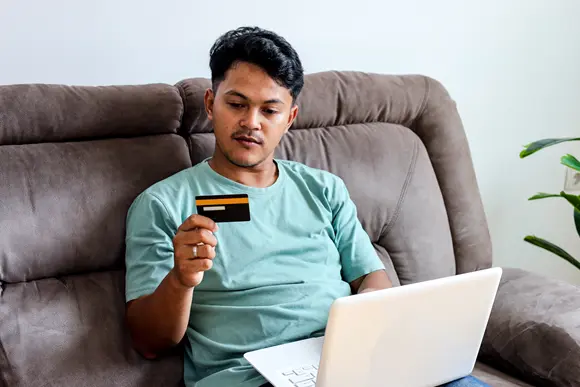
Digital payments are now seamlessly integrated into the everyday lives of the people of Bangladesh.
We all have used these services to pay utility bills, mobile top-ups, send money to our loved ones, etc. These services have transformed the way we undertake our day-to-day transactions to make our lives easier. But to do all this, we need to understand how to make a payment, know the transaction charges and, at a minimum, how to keep our transactions secure.
Making Everyday Transactions Easier
Mobile money beginners may find themselves lost in the sequence of menus and dialogues displayed onscreen between the steps of an online payment. This sort of online payment guide lays out the series of steps, explaining how you are supposed to be presented with the information to confirm whether the mobile wallet app is authentic; how to confirm the identity of your payee before sending them money; how to review your past transactions; or how to work out what charges are associated with making a payment.
Experienced users can find relief in articles that can offer them comfort. A troubleshooting guide may explain what to do when a payment fails, how to prove you have transacted, or how to determine possible reasons why you are missing funds. Users will have what it takes to make an informed decision.
Building Safer Payment Habits
Convenience is important, but protection from fraud is what truly matters. Responsible resources and online guides, such as AQ999, emphasize critical safety rules: never give out your personal identification number (PIN) or one-time password (OTP), even to someone claiming to represent a bank. Helpful security guides show you how to verify message authenticity, double-check payment details before sending funds, and quickly contact official customer support whenever you are unsure.
In Bangladesh, a relatable language and language-specific use cases do a good job of building digital financial literacy.
Finding Reliable Information Online
Not all online resources are accurate or up to date. Start by checking official statements and guides from trusted providers, verify publication dates, and strictly avoid sites that ask for private account security details. Readers should evaluate resources based on accuracy, utility, and publisher credibility before following financial advice.
An ethical payment guide exists to prevent costly errors, empower readers with knowledge about their transactions, and improve everyday money management. As financial life increasingly moves to smartphones across Bangladesh, accessible and reliable information ensures everyone can transact with confidence.
Also Read-Why Telemarketing Training Matters More Than a Perfect Sales Script

